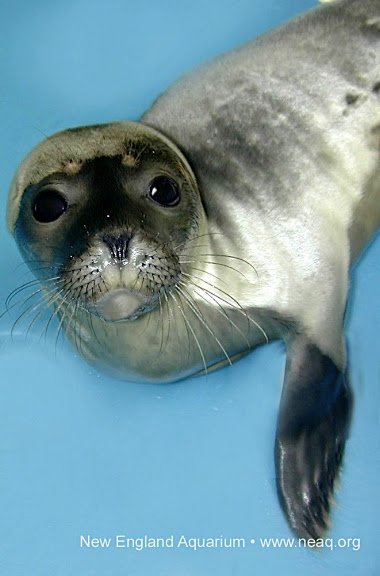
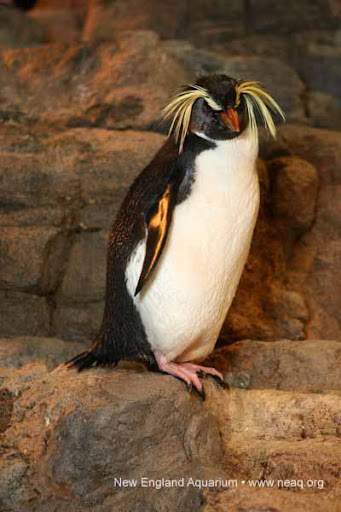
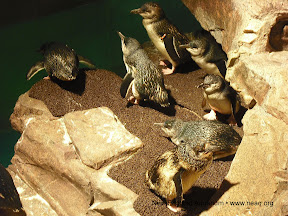
Now we're on to the African penguins, woo hoo!
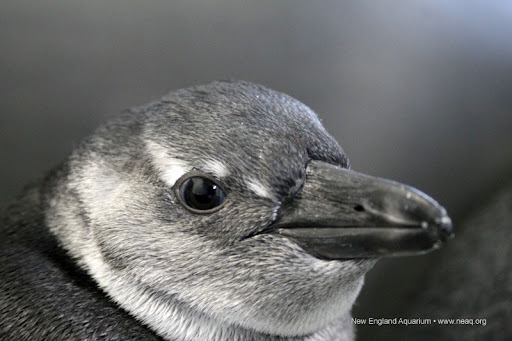
Stay tuned for more adorable pictures as they are made available ...

 There are few places I love as much as the Oregon coast. It's where I first saw the ocean. It's where I spent countless hours surfing with my father and brothers. It's where we had my grandmother's memorial service and my high school graduation party. So, like many places on this beautiful planet, it evokes a very strong emotional response for me.
An underwater volcanic ridge off the coast of Washington and Oregon represents a potentially optimal site for ditching carbon dioxide, a group of Columbia University earth scientists has concluded. For one, the underwater basalt – or dried lava spewed by a subsea volcano – has the unique property that it could help convert injected CO2 into calcium carbonate, which is basically chalk. Storing it as a solid adds assurance that the carbon dioxide won’t escape and leak into the atmosphere.Now, I will fully accept that I don't know as much as I should about carbon storage, deep sea geology, how gravity keeps a gas under water etc... I just want to post something expressing my concern over the idea of turning such an amazing place into the nation's CO2 Yucca Mountain.




 Could it be that corporations are the new vanguard in saving sea life? Jeff Wells over at Refresh, a consumer health blog, covers the corporate sustainable seafood movement ... and seems to say yes.
"It [the Bay of Fundy effort] has been a success story. It has reduced the risk by about 90 percent," said Dr. Moira Brown, senior scientist at the Canadian Whale Institute and the New England Aquarium's Edgerton Research Laboratory.
advertisement
She said the re-routed shipping lanes are considered one of the most important marine mammal protection measures in Canada.
"And there's been an unanticipated benefit," Brown said. "Mariner awareness about this whale species is huge."




Dead turtles should be reported to the New England Aquarium at (617) 973-5200. If you spot a turtle that is sick or injured or entangled in rope, litter or fishing gear, call the Provincetown Center at 1-800-900-3622.


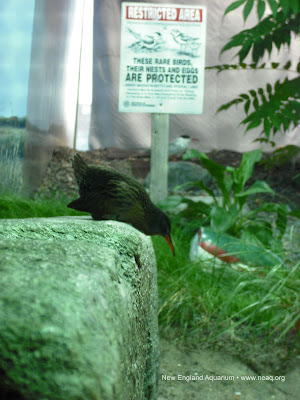







"For two years in a row, one of America's most popular urban beaches has played host to a species ranked as threatened on both the Massachusetts and the federal Endangered Species Lists ... This is positive news for renewal of our historic coasts."
 (from the Nature Conservancy)